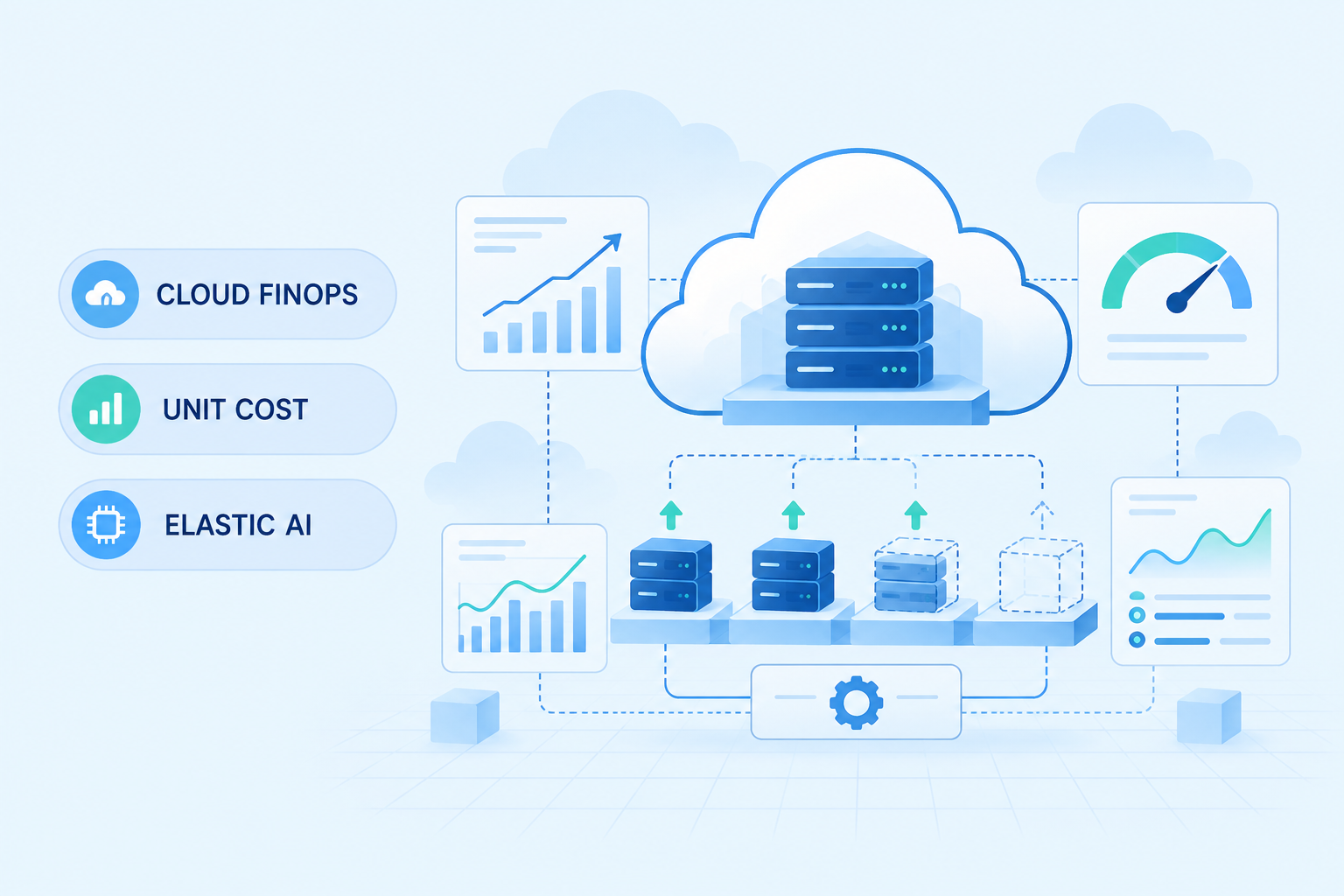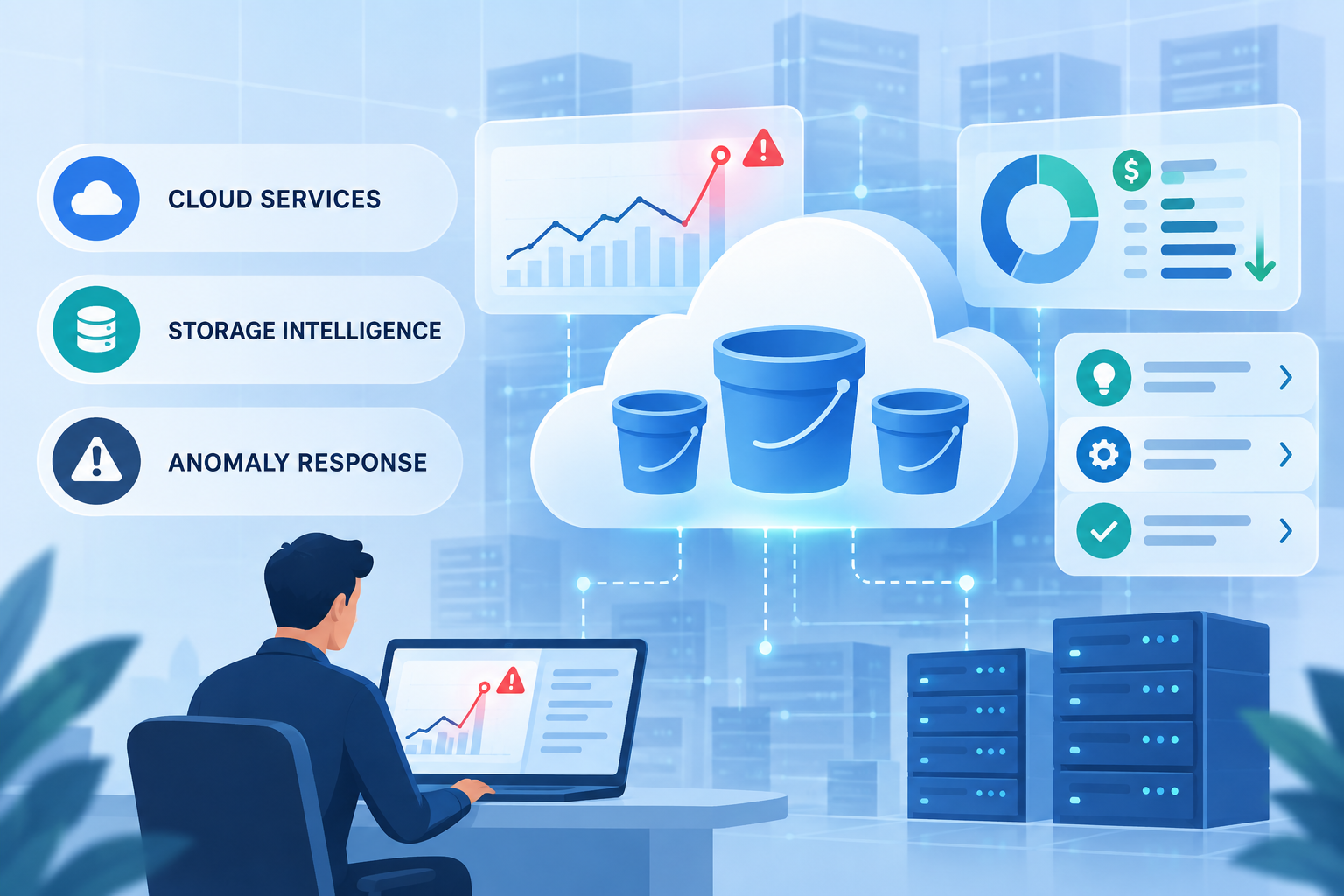


Cloud security controls change quickly; cost models usually do not. AWS has announced a new WAF pricing model in which the bill follows three measurable dimensions: resources associated with a protection pack, requests inspected, and requests evaluated by advanced protections. Existing customers remain on current pricing until February 1, 2027, unless other contractual terms apply.
The model may simplify forecasts, but it does not guarantee a lower bill. Architecture determines how many resources are protected, how often traffic is inspected and how much reaches premium controls. Teams should model their real traffic before the transition instead of extrapolating from today’s line items.
Inventory protection packs and associations
List every web ACL or protection pack, its associated CloudFront distributions, load balancers, API gateways and other supported resources, region, owner and environment. Remove abandoned associations only after verifying traffic and rollback needs. A resource fee applies per association, so sprawling one-to-one designs deserve review.
Map shared and multi-tenant entry points carefully. Consolidation can reduce associations, but it can also increase blast radius and complicate ownership. Cost is one input, not the sole architecture criterion.
Measure total inspected traffic
Use WAF and resource metrics to establish monthly requests, peaks, blocked volume and seasonality. Include bots, health checks, retries and attack spikes. Blocked requests are still inspected, so malicious traffic can affect the security bill even when the application is protected.
Segment by environment and business service. Development endpoints with public scanners may generate surprising volume. Forecast launches, promotions and seasonal peaks rather than relying only on a quiet month.
Find duplicate inspection
A request passing through protection at both CloudFront and a downstream load balancer can be inspected and billed at each layer. That may be intentional defense in depth, especially when origins remain directly reachable. Document the threat each layer controls. Remove redundancy only when network and origin policies preserve the intended boundary.
Scope premium protections deliberately
Advanced protections such as targeted bot, fraud, API or AI security add a premium request charge to traffic they evaluate. Use scope-down statements to send only relevant paths or requests—such as login, account creation, checkout or model endpoints—when that matches the threat model.
Place safe, inexpensive blocking rules before premium inspection where appropriate. A request blocked earlier may avoid the premium evaluation. Test rule order for security correctness; optimizing cost must never create a bypass.
Build a three-part forecast
Calculate resource-hours, base inspected requests and premium-evaluated requests separately. Create low, expected and attack-season scenarios. Include other service charges such as CDN, load balancer, logging, marketplace rules and incident-response subscriptions because WAF pricing is not the full protection cost.
Tag ownership and publish unit measures: protection cost per million legitimate requests, premium-inspection percentage, and security cost per application. Avoid allocating attack traffic to a product team without an agreed method.
Use the analytics window operationally
The announced security analytics dashboard provides a rolling traffic view. Use it to validate which rules act, which applications generate premium traffic and whether legitimate users are blocked. Export longer-term metrics where planning needs more than the included window.
Run changes in count mode
Before activating new rules, observe matches, false positives and premium volume. Canary by application or path. Maintain rollback and test critical customer journeys. A cheaper configuration that causes account lockouts, failed payments or API outages is not an optimization.
Assign a transition owner
Security, cloud platform and FinOps should jointly approve the model. Record current baseline, future estimate, architectural changes and accepted exceptions. Recheck private pricing, Shield Advanced and CloudFront plan interactions with the account team because entitlements can alter the comparison.
The takeaway: the new WAF model makes the drivers more visible, not automatic. Teams that count resources, trace inspection paths and selectively apply advanced protection can enter February with a defensible budget and an intact security posture.
From announcement to dependable operations
Start with a bounded business problem and an accountable owner. Record the current cost, delay, failure rate, and manual work before changing the architecture. Define a measurable outcome, but do not present an estimate as guaranteed savings. Include security, finance, operations, and the people who will support exceptions after launch.
Map the current workflow before selecting technology. Identify the source of truth, approval points, downstream consumers, sensitive data, recovery objectives, and every manual workaround. Decide which step the new capability improves and which steps remain unchanged. This prevents a demonstration from being mistaken for an end-to-end operating solution.
Build a representative pilot with real permissions, data volume, dependency behavior, and user roles. Test peak demand, missing data, stale configuration, denied access, duplicate input, partial failure, recovery, and rollback. Document what continues when the new capability is unavailable. Keep an approved manual path for high-consequence decisions.
Security must be part of the design. Use separate workload identities, short-lived credentials, least privilege, encrypted transport and storage, controlled secrets, and auditable administrative access. Treat retrieved documents, event payloads, model output, and third-party responses as untrusted input. Validate every action at the boundary where it affects money, data, equipment, customers, or regulated records.
Cost controls need similar depth. Tag usage to a product and owner, define budgets and anomaly thresholds, measure cost per successful business outcome, and include integration, support, data movement, licensing, and training. A lower infrastructure bill can be offset by more exceptions or human correction. Evaluate total process cost rather than one service price.
Operate the result like a product. Monitor availability, latency, unit cost, data quality, security findings, user adoption, exceptions, and support effort. Version configurations and decision rules. Log changes and approvals. Review whether the capability still solves the original problem as prices, products, and workflows evolve.
Prepare the support model before launch. Give responders dashboards, runbooks, ownership, escalation paths, and safe diagnostic access. Alert on stale data and silent degradation, not only complete failure. Practice a dependency outage and verify that queued work, retries, reconciliation, and user communication behave as designed.
Change management is also technical risk control. Explain what users should trust, what they must verify, and how they report a wrong result. Train with real scenarios and capture overrides as useful feedback. Do not measure adoption by logins alone; measure whether the process becomes faster, safer, or more accurate.
Maintain a decision record that states why the technology was selected, which alternatives were considered, which risks were accepted, and what would trigger redesign or retirement. Review it after incidents and major vendor changes. Portability does not require avoiding managed services; it requires knowing which data, contracts, identities, and operational procedures must survive a change.
Expansion should follow evidence. Compare the pilot with its baseline, include the cost of integration and governance, and retire components that no longer earn their complexity. A new feature creates value only when teams can understand it, control it, recover it, and improve it without depending on one specialist.
Finally, schedule a formal review after thirty and ninety days. Ask whether users changed behavior, whether exceptions moved elsewhere, and whether actual costs match the forecast. Publish the findings to sponsors and delivery teams. If value is weak, narrow the scope or stop. Responsible innovation includes the ability to end an experiment cleanly.
Sources
- AWS Security Blog — Introducing simplified AWS WAF pricing
- AWS announcement — AWS WAF introduces simplified pricing
Build it with Cogniquaint experts
Cogniquaint’s cloud security and FinOps experts can inventory WAF associations, analyze inspection and premium traffic, identify safe consolidation opportunities, model transition scenarios, tune rule scope and dashboards, and implement the change alongside your security and application owners.
Work with Cogniquaint
Ready to elevate your operations with AI-powered insights?
Get in touch with us to build your next intelligent solution.